
Introduction to Data Centers
In the fast-paced digital age, data has become one of the most valuable assets for businesses and individuals alike. The infrastructure required to store, process, and protect this data is crucial for smooth operations. This is where data centers come into play. But what exactly is a data center, and why are they so important in today’s world?
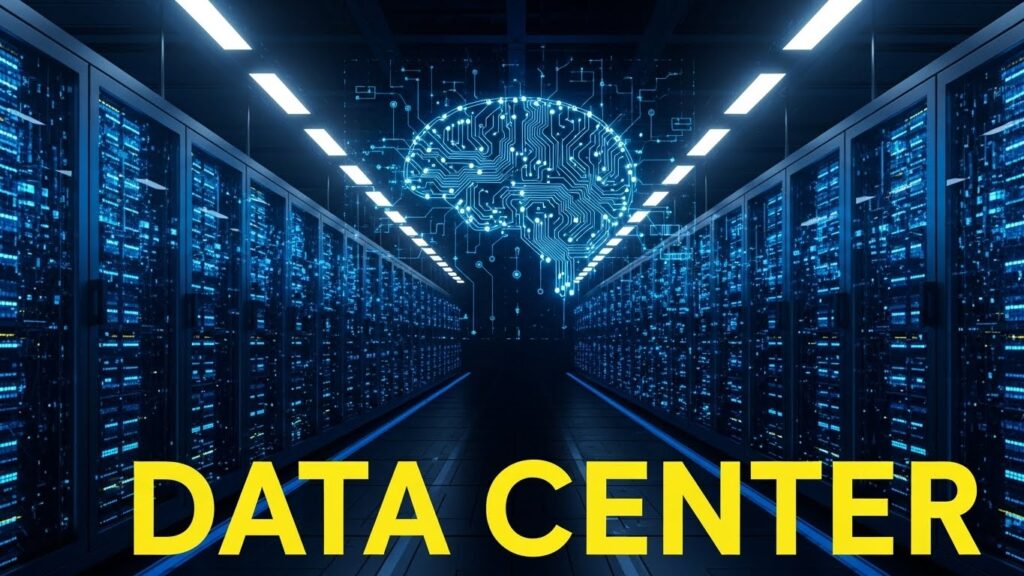
A data center is essentially a facility that houses a large number of computing and networking devices used for processing and storing data. These centers are designed to support various technological needs such as cloud computing, web hosting, enterprise applications, and much more. They are built to ensure the highest levels of availability, scalability, and security to handle massive amounts of information.
The Importance of Data Centers
Role in Data Storage and Processing
Data centers serve as the backbone of digital operations. With businesses and organizations generating vast amounts of data daily, data centers provide the infrastructure necessary to store, process, and analyze this data. Without them, there would be no central hub to ensure the smooth flow of information across networks, cloud applications, and websites.
They handle everything from the storage of sensitive data to running critical applications, ensuring businesses can function uninterrupted and in real time. Simply put, they are the heart of the digital ecosystem.
Impact on Business Operations
In today’s economy, businesses depend heavily on the ability to process and store data effectively. Data centers play a critical role in ensuring the continuity and efficiency of business operations. They provide the computing power needed for everything from customer transactions to data analytics.
By hosting websites, e-commerce platforms, and internal applications, data centers ensure businesses remain operational 24/7, even in the event of hardware failures, natural disasters, or power outages. This high level of reliability and uptime is crucial for minimizing downtime and maintaining customer trust.
Types of Data Centers
Data centers come in different shapes and sizes, depending on the needs of the organization or the service provider. They can range from small server rooms within an enterprise to large-scale colocation centers that rent space to multiple customers.
On-Premise Data Centers
An on-premise data center refers to a facility owned and operated by a single organization for storing and processing its own data. It provides control over hardware, software, and security measures, offering maximum customization. However, it comes with high upfront costs and ongoing maintenance expenses.
Benefits and Challenges
-
Benefits: Total control over data, full customization, and compliance with strict data security regulations.
-
Challenges: High capital investment, maintenance costs, and the need for skilled personnel to manage operations.
Cloud Data Centers
Unlike traditional data centers, cloud data centers are virtualized, meaning data is hosted on a shared infrastructure provided by third-party cloud services like Amazon Web Services (AWS), Microsoft Azure, or Google Cloud. These centers provide greater scalability and flexibility for businesses, allowing them to pay only for the resources they use.
Flexibility and Scalability
-
Benefits: Reduced upfront costs, pay-as-you-go pricing, and the ability to scale resources quickly based on demand.
-
Challenges: Less control over data and security, potential for latency issues depending on location.
Edge Data Centers
Edge data centers are designed to reduce the physical distance between the user and the data, providing faster access and low-latency services. These smaller, localized data centers are often placed closer to the end user, which is especially important for real-time applications like gaming, video streaming, and IoT devices.
Serving the Need for Speed
-
Benefits: Lower latency, faster data processing, and improved user experience.
-
Challenges: Higher costs for distributed infrastructure and complex management.
Components of a Data Center
A data center is more than just a room full of servers. Several key components work together to ensure smooth and efficient operations.
Servers and Storage Systems
At the heart of any data center are its servers and storage systems. These powerful machines handle all data processing and storage requirements. Servers run applications and services, while storage systems ensure that data is securely saved and easily retrievable when needed.
Cooling Systems
Data centers house hundreds or even thousands of servers, which generate a significant amount of heat. Effective cooling systems are essential for maintaining the optimal temperature of equipment and preventing overheating.
Managing Heat in Data Centers
-
Air Cooling: Common method using air conditioners and fans to maintain temperature.
-
Liquid Cooling: More efficient method using water or refrigerant to absorb heat.
Network Infrastructure
Data centers rely on a robust network infrastructure to ensure data is transferred quickly and reliably across systems. This includes high-speed switches, routers, and firewalls, ensuring uninterrupted data flow between the servers and the external network.
Ensuring Fast and Reliable Data Flow
-
Redundant Network Links: Multiple communication paths to avoid downtime.
-
High-Speed Connections: Ultra-fast data transfer rates between devices and external networks.
Redundant Power Systems
Data centers cannot afford any downtime, which is why redundant power systems are essential. This includes backup generators, uninterruptible power supplies (UPS), and battery systems to ensure continuous power flow even during outages.
The Role of Backup Systems in Ensuring Uptime
-
Automatic Failover: Ensures that if one power source fails, another kicks in seamlessly.
Data Center Security
Security is a critical concern for any data center. Both physical and cybersecurity measures are implemented to protect the infrastructure and the sensitive data they store.
Physical Security
Data centers are equipped with high levels of physical security to prevent unauthorized access. This includes surveillance systems, biometric scanners, security guards, and access control mechanisms that ensure only authorized personnel can enter.
Cybersecurity in Data Centers
Cybersecurity is equally important in protecting the data housed within a data center. This involves firewalls, encryption, intrusion detection systems (IDS), and continuous monitoring to protect against cyber threats such as hacking, malware, and data breaches.
Data Center Operations and Management
Operating a data center requires constant monitoring, maintenance, and management to ensure everything runs smoothly.
Monitoring and Maintenance
Data center operators use monitoring tools to track server performance, power consumption, network traffic, and other vital metrics. Real-time monitoring helps identify potential issues before they become critical.
Data Center Automation
With the growing complexity of modern data centers, automation is becoming increasingly important. Automation can streamline tasks such as server provisioning, data backups, and network configurations, improving operational efficiency and reducing human error.
Future of Data Centers
As technology continues to evolve, data centers must adapt to meet new demands.
AI and Machine Learning in Data Centers
Artificial intelligence (AI) and machine learning (ML) are being incorporated into data center operations to optimize performance, predict hardware failures, and improve energy efficiency.
Sustainability in Data Centers
Data centers consume large amounts of energy, and sustainability is becoming a significant concern. Green data centers are being developed to reduce carbon footprints and incorporate renewable energy sources, ensuring that data storage remains eco-friendly.
Conclusion
Data centers are the backbone of the modern digital world, providing the necessary infrastructure to store, process, and secure vast amounts of data. As technology continues to evolve, so too will data centers, adapting to the needs of businesses, consumers, and emerging technologies.
FAQs
1. What is a data center?
A data center is a facility that houses IT infrastructure such as servers, storage systems, and networking equipment, designed to store, manage, and process data for businesses and organizations.
2. What are the types of data centers?
The main types of data centers are on-premise, cloud, and edge data centers, each serving different purposes depending on business needs and location.
3. How does a data center ensure security?
Data centers implement both physical and cybersecurity measures, such as surveillance, access controls, encryption, and firewalls, to protect the data and infrastructure.
4. Why are data centers important for businesses?
Data centers are critical for businesses to store data, run applications, ensure business continuity, and provide reliable services to customers without downtime.
5. What is the future of data centers?
The future of data centers will involve greater use of AI, automation, sustainability initiatives, and edge computing to meet the growing demands of data processing and storage.