

Introduction
Facility safety inspections are an essential part of maintaining a safe and healthy work environment. Regular inspections help identify potential hazards and mitigate risks before they lead to accidents. Whether it’s a warehouse, office, or manufacturing plant, ensuring the safety of the workplace protects both employees and the organization. In this article, we’ll dive into the importance of safety inspections, key components of a safety checklist, common hazards to look for, and best practices for conducting thorough inspections.
What is a Facility Safety Inspection?
A facility safety inspection is a process of systematically evaluating a workplace to identify hazards, ensure compliance with safety regulations, and assess the overall safety conditions of the environment. These inspections involve a detailed walkthrough of the facility, focusing on structural integrity, electrical systems, fire safety measures, environmental factors, and more. A comprehensive safety inspection helps ensure that the facility is safe for employees, contractors, and visitors alike.
Why is Facility Safety Inspection Important?
Preventing Accidents and Injuries
Workplace accidents can be costly both in terms of human impact and financial consequences. Regular safety inspections help to minimize the risk of workplace accidents such as slips, trips, falls, fires, and electrical hazards. By identifying potential hazards and taking corrective actions, businesses can prevent injuries that could lead to lost workdays, compensation claims, or even worse, fatal accidents.
Complying with Legal Requirements
Facility safety inspections are not just a good practice; they are often a legal requirement. Occupational Safety and Health Administration (OSHA) and other regulatory bodies mandate that businesses regularly inspect their facilities to comply with safety standards. Failing to adhere to these regulations can result in fines, penalties, or legal issues that could harm the business’s reputation and operations.
Key Components of a Facility Safety Inspection
A thorough safety inspection checklist covers multiple areas of the facility. Let’s explore the primary components that need to be reviewed during each inspection.
Structural Integrity
One of the first things to check during a facility safety inspection is the building’s structural integrity. This includes inspecting walls, ceilings, floors, roofs, and foundations for cracks, signs of wear, or potential collapse. Ensuring that the facility is sound and free of structural issues is crucial for the safety of employees and the protection of the building itself.
Electrical Systems
Faulty or outdated electrical systems can pose significant risks in any facility. During an inspection, ensure that all wiring, outlets, and circuit breakers are functioning properly. Inspect for exposed wires, faulty plugs, overloaded circuits, or damaged equipment that could lead to electric shocks or fires.
Fire Safety
Proper fire safety measures are a fundamental part of any facility’s safety inspection. Fire extinguishers should be easily accessible and regularly serviced. Emergency exits must be clearly marked, unobstructed, and accessible in case of an emergency. Fire alarms and sprinkler systems should be inspected regularly to ensure that they are functioning as expected.
Hazardous Materials
If your facility uses or stores hazardous materials, special attention must be given to their handling, labeling, and storage. Ensure that chemicals are stored in properly labeled containers and that Material Safety Data Sheets (MSDS) are available. Inspections should also confirm that spill kits are available and that hazardous waste is disposed of according to safety regulations.
Environmental Factors
The overall environment of the facility can have a significant impact on the safety and well-being of employees. Factors such as air quality, lighting, temperature, and noise levels should be evaluated during the inspection. Proper lighting is essential for visibility and to prevent accidents, while adequate ventilation and temperature control help maintain a healthy and comfortable work environment.
Steps to Conduct a Facility Safety Inspection
A facility safety inspection requires careful planning and methodical execution. Here’s a step-by-step guide to help you perform an effective inspection.
Planning and Preparation
Before conducting the inspection, gather all relevant documentation, including safety records, previous inspection reports, and regulatory requirements. Equip yourself with necessary tools such as a camera, notepad, and safety equipment. Review past inspection findings to focus on areas that require special attention.
Conducting the Inspection
Walk through the entire facility, inspecting each area carefully. Take note of potential hazards, faulty equipment, and areas that need improvement. Be thorough and methodical in your approach, ensuring no corner is overlooked. If necessary, engage employees in the inspection process to get a better understanding of potential safety concerns from their perspective.
Documenting Findings
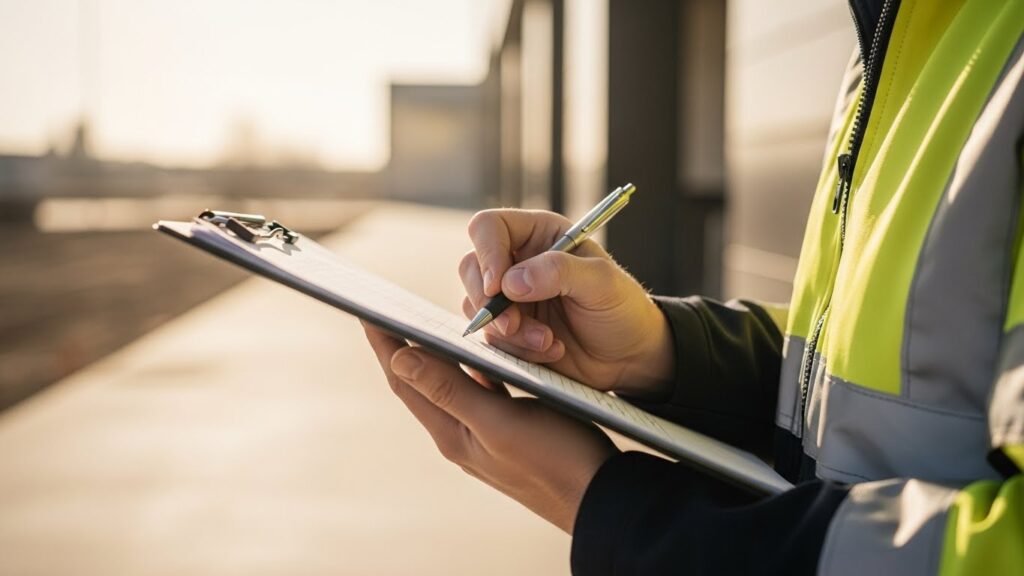
Accurate documentation is key to tracking hazards and corrective actions. Record all findings during the inspection, including issues that need immediate attention and those that can be addressed later. Photographs of hazards or problem areas can serve as helpful references for repairs or upgrades.
Reporting and Taking Action
Once the inspection is complete, compile your findings into a comprehensive report. This report should detail all hazards found, the severity of each issue, and recommended corrective actions. Share the report with management and ensure that the necessary steps are taken to address identified risks promptly.
Common Issues Found During Facility Inspections
There are several common hazards that are frequently identified during safety inspections. Here are some of the most common ones to watch out for:
Slips, Trips, and Falls
One of the leading causes of workplace injuries, slips, trips, and falls can be prevented with proper attention to walkways, floors, and surrounding environments. Check for uneven flooring, clutter, spills, or obstacles that may obstruct paths and pose a tripping hazard.
Inadequate Lighting
Poor lighting can lead to accidents and decreased productivity. Ensure that all areas are well-lit, especially staircases, hallways, and workstations, to reduce the risk of accidents caused by insufficient visibility.
Faulty Electrical Wiring
Exposed wiring, damaged plugs, and overloaded circuits are fire hazards that need immediate attention. Inspect electrical systems thoroughly to ensure safety and prevent electrical accidents.
Improper Fire Safety Measures
Inadequate fire safety equipment or improperly marked emergency exits can be life-threatening in an emergency. Ensure that all fire extinguishers are functional, smoke detectors are operational, and escape routes are clearly marked and accessible.
Unsafe Chemical Handling
Unsafe storage or mishandling of chemicals can lead to dangerous spills or exposure. Ensure that chemicals are labeled, stored correctly, and that employees are trained in proper handling and disposal procedures.
Best Practices for Facility Safety Inspections
To conduct effective and efficient safety inspections, consider these best practices:
Regularly Update Your Checklist
Ensure that your checklist is up to date with current safety standards and regulations. As new risks and technologies emerge, your checklist should evolve to address these changes.
Involve Employees in Safety Inspections
Involving employees in the inspection process can help uncover safety issues that might not be immediately obvious. Encourage employees to report hazards and actively participate in creating a safer work environment.
Use Technology to Streamline Inspections
Consider using digital tools and software to track safety inspections, record findings, and manage corrective actions. Technology can help streamline the process and provide real-time updates.
Conclusion
Facility safety inspections are essential to maintaining a safe and compliant workplace. By following a detailed checklist, identifying potential hazards, and taking prompt action, businesses can prevent accidents, reduce risks, and ensure a safe environment for all employees.
FAQs
1. How often should a facility safety inspection be conducted?
A safety inspection should be conducted regularly, typically once every quarter, but it may vary based on the size of the facility and the nature of the work.
2. What are the most common hazards found during inspections?
Common hazards include slips, trips, and falls, inadequate lighting, faulty electrical wiring, improper fire safety measures, and unsafe chemical handling.
3. How do I prepare for a safety inspection?
Prepare by reviewing past inspection reports, gathering safety documentation, and ensuring that necessary tools and equipment are available.
4. Can technology help with facility safety inspections?
Yes, digital tools and apps can help streamline inspections, track findings, and ensure that corrective actions are implemented efficiently.
5. What should be done if a serious hazard is found during an inspection?
Immediate action should be taken to address the hazard, such as securing the area, notifying management, and initiating repairs or safety measures.