

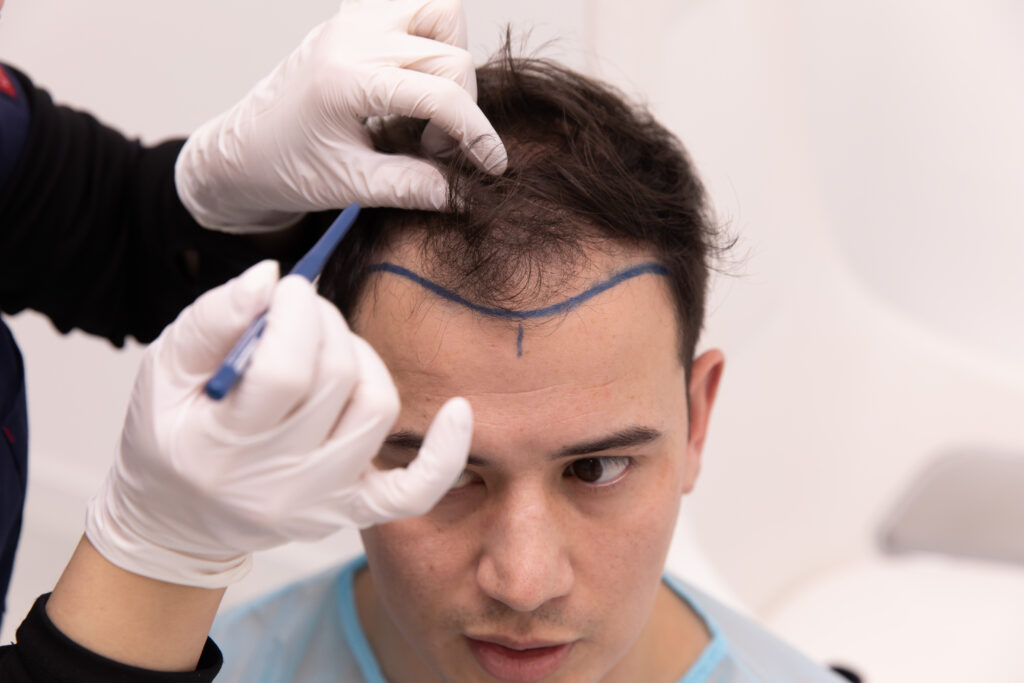
When it comes to hair loss, the UK is home to some of the most innovative and successful hair transplant procedures. However, the cost of these operations can be a significant concern for many individuals. This article aims to provide a comprehensive guide to navigating the landscape of hair transplant costs in the UK, bringing you one step closer to making an informed decision about your hair restoration journey.
Understanding the Basics of Hair Transplant
The first step to understanding hair transplant cost in the UK is to get a grasp of what the procedure entails. A hair transplant is a surgical procedure that involves removing hair follicles from one part of the body (the ‘donor site’) and transplanting them to the balding or thinning areas (the ‘recipient site’). There are two main methods used in hair transplantation: Follicular Unit Transplantation (FUT) and Follicular Unit Extraction (FUE).
Both procedures come with their own advantages and disadvantages, and the choice between them often depends on factors such as the patient’s hair loss pattern, budget, and personal preference. Typically, FUE procedures tend to be more expensive as they are more time-consuming and require a higher level of skill from the surgeon.
Factors Influencing Hair Transplant Cost
Various factors can significantly influence the cost of a hair transplant in the UK. One of the most significant is the complexity of the procedure. For instance, the price can vary depending on whether the patient requires a standard procedure or more intricate work, such as eyebrow or eyelash transplants.
The experience and reputation of the surgeon performing the transplant also play a crucial role in determining the cost. Highly skilled surgeons with a track record of successful transplants will usually charge more. However, their expertise can also result in a more natural-looking and successful outcome. You can explore more about this on the Hair Transplant Cost UK webpage.
Cost vs. Quality: Finding the Balance
When considering the cost of a hair transplant, it’s vital to balance affordability with quality. While it can be tempting to opt for the cheapest option, it’s worth remembering that a hair transplant is a medical procedure that requires technical skill and experience. Therefore, a low-cost procedure could potentially result in unsatisfactory results or even complications.
On the other hand, a higher-priced procedure doesn’t necessarily guarantee the best outcome. It’s crucial to do your research, read reviews, and consult with multiple surgeons to ensure you’re getting the best quality treatment for your budget.
Financing Options for Hair Transplants
Given the cost of hair transplantation, many clinics offer financing options to make the procedure more affordable. These can include instalment plans, loans, or even medical credit cards. It’s important to read the terms and conditions carefully and ensure you understand the interest rates and repayment terms.
You can learn more about various financing options and their implications on the Hair Transplant Cost London webpage.
Conclusion
While the cost of a hair transplant in the UK can vary widely, it’s crucial to remember that this is an investment in your self-confidence and well-being. By understanding the factors influencing the price, balancing cost against quality, and exploring various financing options, you can navigate your way towards a hair transplant that fits your budget and meets your expectations.
FAQs
- Are hair transplants permanent?
Yes, hair transplants are generally considered permanent because the transplanted hairs are resistant to the hormone that causes hair loss. However, it’s important to note that the original hair in the area may continue to thin over time.
- What is the recovery time for a hair transplant?
The recovery time can vary depending on the individual and the specific procedure. Generally, most people can return to work within a few days, but the transplanted hair may take several months to grow fully.
- Can women have hair transplants?
Yes, hair transplants are suitable for both men and women. However, because the pattern of hair loss is often different in women, the approach to the transplant may be slightly different.