

Introduction
Dubai is known for its modern skyline, luxurious lifestyle, and booming economy. But beneath its glittering surface lies a darker question: does Dubai have slavery? While slavery as it existed in the past has been officially abolished, many argue that modern-day forms of exploitation still exist in the city, especially through the treatment of migrant workers. This article aims to explore the historical context of slavery, the current labor conditions, and the legal frameworks in place to determine whether there are modern-day forms of slavery in Dubai.
The Historical Context of Slavery
Slavery in the Pre-Modern Era
Historically, the Arabian Peninsula, including Dubai, was a key point in the global trade networks that facilitated the movement of slaves. Slavery existed in various forms, from domestic servitude to labor in the vast agricultural and commercial sectors. However, with the spread of the abolitionist movement worldwide, the practice began to be phased out in the 19th and 20th centuries.
The Abolition of Slavery in Dubai
Dubai officially abolished slavery in the mid-20th century, with the formation of the UAE in 1971. The practice, once widespread, was outlawed, and the government of Dubai moved towards a more modern, legal structure for its workforce.
Labor Migration in Dubai
The Dependence on Foreign Workers
Today, Dubai is known for its reliance on foreign labor. Thousands of migrant workers from countries such as India, Pakistan, Bangladesh, and the Philippines are employed in various industries, especially in construction and domestic services. While these workers are not slaves in the traditional sense, their treatment and working conditions have been a subject of debate.
The Working Conditions of Migrants
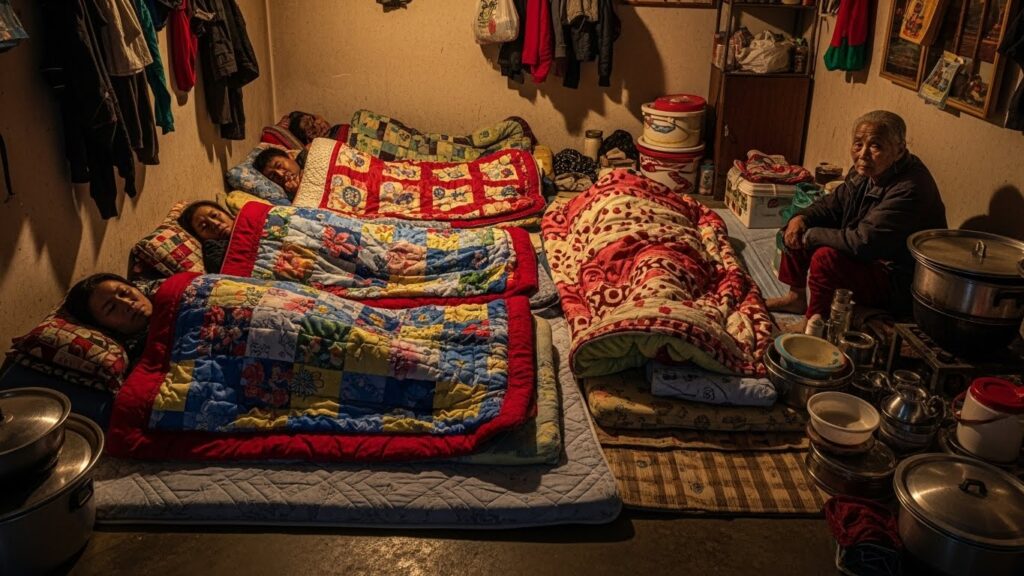
Although labor laws have improved over the years, many workers still face harsh conditions. Reports of low wages, long working hours, and unsafe working environments have raised concerns about the exploitation of these workers. The issue is most prevalent in the construction sector, where migrant labor is integral to the city’s expansion.
The Kafala System and Its Impact
What is the Kafala System?
One of the most controversial aspects of labor in Dubai is the Kafala system, a sponsorship system that ties workers’ legal status to their employers. Under this system, workers cannot change jobs or leave the country without the employer’s consent, creating a power imbalance. This system has been widely criticized for enabling exploitation and abuse.
The Effects of the Kafala System on Workers
The Kafala system restricts workers’ freedoms and often leaves them vulnerable to abuse. If an employer is abusive or refuses to pay wages, the worker has limited options for legal recourse. This makes migrant workers particularly susceptible to exploitation, which some argue is a form of modern-day slavery.
Legal Framework Around Workers’ Rights
Labor Laws in the UAE
The UAE has implemented a range of labor laws designed to protect workers’ rights. These include regulations regarding working hours, wages, and working conditions. However, enforcement of these laws has often been inconsistent, and many migrant workers continue to face exploitation.
The Rights of Migrant Workers
Migrant workers in Dubai do have certain rights under UAE labor laws, including the right to a fair wage and safe working conditions. However, the enforcement of these rights remains a significant challenge. Many workers report delays in wage payments, unsafe working conditions, and even physical abuse.
Human Trafficking and Exploitation
Human Trafficking and Its Relation to Forced Labor
Human trafficking is a global issue, and Dubai is no exception. Migrant workers are sometimes coerced into coming to Dubai under false pretenses, only to find themselves in abusive situations. While not technically slavery, this form of exploitation is often likened to modern-day slavery due to the severe abuse and lack of freedom faced by the victims.
The Fight Against Human Trafficking
The UAE government has taken steps to combat human trafficking, implementing stricter laws and collaborating with international organizations. However, human trafficking remains a significant issue, and many argue that more needs to be done to protect vulnerable workers.
International Criticism and Reforms
Global Criticism of Dubai’s Labor Practices
Dubai has faced significant international criticism for its labor practices, particularly in relation to the treatment of migrant workers. Human rights organizations and foreign governments have repeatedly called for reforms to improve working conditions and strengthen workers’ rights.
The Path to Reform
Reforms in the Kafala System
In recent years, the UAE has made strides in reforming the Kafala system. Some changes have been made to allow workers more freedom to change jobs and seek legal recourse. However, these reforms have been seen as insufficient by many labor rights groups, who argue that more radical changes are necessary.
UAE’s Efforts Toward Improving Labor Rights
The UAE government has begun taking steps to improve the rights of migrant workers, including changes to the Kafala system and laws to improve labor conditions. However, it remains to be seen how effective these reforms will be in the long term.
Conclusion
While slavery as it existed in the past no longer exists in Dubai, the exploitation of migrant workers and the conditions under which many of them work have raised significant concerns. The Kafala system and ongoing issues related to human trafficking and labor rights continue to contribute to a situation that some argue mirrors modern-day slavery. While the UAE has made efforts to reform labor laws, much work remains to be done to ensure the fair treatment and protection of all workers in Dubai.
FAQs
1. Does Dubai still have slavery today?
No, slavery has been officially abolished in Dubai. However, issues related to migrant worker exploitation persist, particularly in the construction and domestic sectors.
2. What is the Kafala system?
The Kafala system is a sponsorship system that ties a migrant worker’s legal status to their employer, limiting their freedom to change jobs or leave the country without the employer’s consent.
3. Are migrant workers in Dubai protected by law?
Yes, migrant workers in Dubai are protected by labor laws, but enforcement of these laws is often inconsistent, and many workers face exploitation and abuse.
4. What is being done to improve labor conditions in Dubai?
The UAE has implemented some reforms to improve labor conditions, such as changes to the Kafala system, but more needs to be done to protect workers’ rights effectively.
5. How can I report mistreatment as a migrant worker in Dubai?
Migrant workers who experience mistreatment can report their employers to the Ministry of Human Resources and Emiratisation or seek assistance from labor rights organizations.