
With the growing demand for electric vehicles (EVs), manufacturers are constantly looking for ways to improve their efficiency, performance, and overall cost-effectiveness. One of the key areas of focus is the production of electric motors, which are the heart of every EV. The latest technology that is set to revolutionize this sector is hairpin motor winding. This innovative technique promises to significantly boost the efficiency and power density of electric motors, making EVs more affordable and eco-friendly. In this article, we will delve deep into the world of hairpin motor winding, its benefits, and its potential to shape the future of high-efficiency EV production.
Understanding Hairpin Motor Winding
Before we can appreciate the impact of hairpin motor winding on EV production, it’s essential to understand what it is and how it works. Hairpin winding, also known as rectangular or square winding, is a method used in the production of stators for electric motors. Unlike traditional round-wire winding, hairpin winding utilizes flat or rectangular copper wires, formed into a shape resembling a hairpin, hence the name.
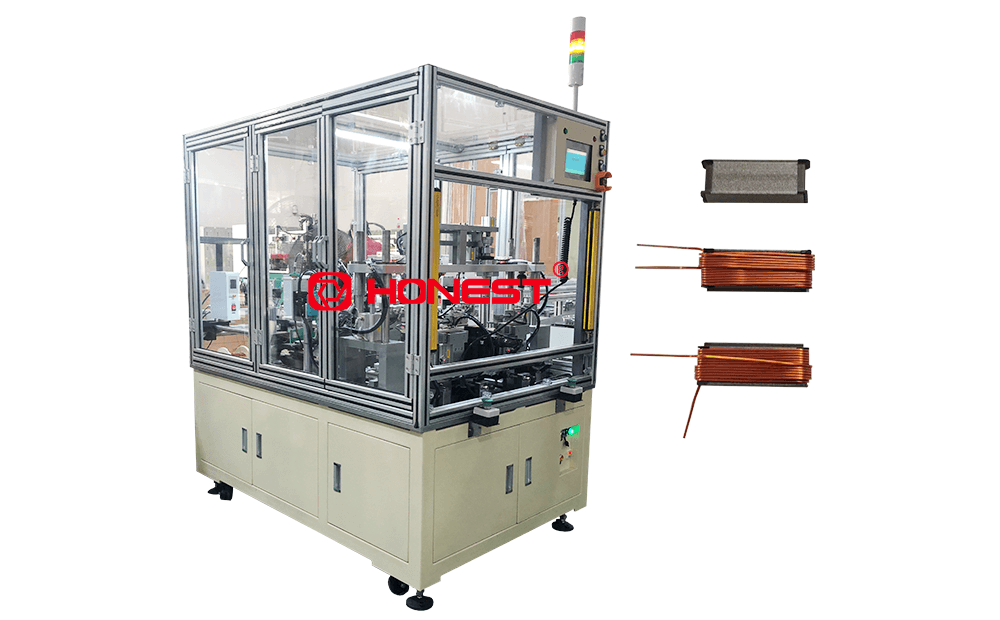
A special electric motor coil winding machine is used to insert these hairpin-shaped copper wires into the stator slots. This method allows for a higher slot fill factor compared to traditional winding methods. The increased copper content within the stator slots enhances the efficiency of the motor, resulting in superior performance and longer driving ranges for EVs.
Benefits of Hairpin Motor Winding
Hairpin motor winding offers a multitude of benefits that make it an attractive proposition for EV manufacturers. These advantages are not only limited to performance gains but also extend to improved production efficiency and cost-effectiveness.
Increased Efficiency
The primary benefit of hairpin motor winding is the significant increase in motor efficiency. The high slot fill factor results in better utilization of the stator’s space, leading to improved power density. This, in turn, contributes to a higher efficiency motor, reducing energy losses and increasing the driving range of the EV.
Improved Production Efficiency
Hairpin motor winding also boosts production efficiency. Traditional winding methods can be labor-intensive and time-consuming. In contrast, hairpin winding is a highly automated process, utilizing specialized machinery to precisely insert the hairpin wires into the stator slots. This automation leads to faster production times, increased accuracy, and fewer errors, making the process more cost-effective in the long run.
Hairpin Motor Winding in Practice
Many leading EV manufacturers have already embraced hairpin motor winding technology. For instance, Audi uses this technology in its e-tron models. The company claims that the use of hairpin windings in the electric motors has increased their efficiency to over 90%. Tesla, another major player in the EV market, also utilizes hairpin winding in its Model 3 and Model Y vehicles.
The Role of the Hairpin Motor Winding Assembly Line in EV Production
As mentioned earlier, the hairpin winding process is highly automated, requiring specialized machines for its execution. The hairpin motor winding assembly line plays a crucial role in this regard. It consists of various machines, including wire bending machines, welding machines, and insertion machines, which work in a synchronized manner to produce the hairpin-wound stators.
The automation of these assembly lines not only speeds up the production process but also ensures consistency and high quality of the produced motors. Moreover, automation reduces the chances of human error and enhances the safety of the production process. The ability to mass-produce high-efficiency motors with reduced labor costs significantly contributes to the cost-effectiveness of EV production.
Conclusion
Hairpin motor winding is a game-changing technology that holds the potential to significantly improve the efficiency, performance, and affordability of EVs. By enabling a higher motor efficiency and streamlined production process, hairpin winding is set to play a crucial role in the future of high-efficiency EV production. As the demand for EVs continues to rise, and the competition intensifies, manufacturers adopting this technology will have a clear edge over their competitors.
FAQs
What is hairpin motor winding?
Hairpin motor winding, also known as rectangular or square winding, is a method used in the production of stators for electric motors. It utilizes flat or rectangular copper wires, formed into a shape resembling a hairpin, which are inserted into the stator slots using a specialized machine.
What are the benefits of hairpin motor winding?
Hairpin motor winding offers several benefits, including increased motor efficiency due to a higher slot fill factor, improved production efficiency due to automation, and cost-effectiveness resulting from faster production times and fewer errors.
Which companies use hairpin motor winding in their EVs?
Several leading EV manufacturers, such as Audi and Tesla, have adopted hairpin motor winding technology for their electric motors. These companies have reported significant increases in motor efficiency as a result of using this technology.