
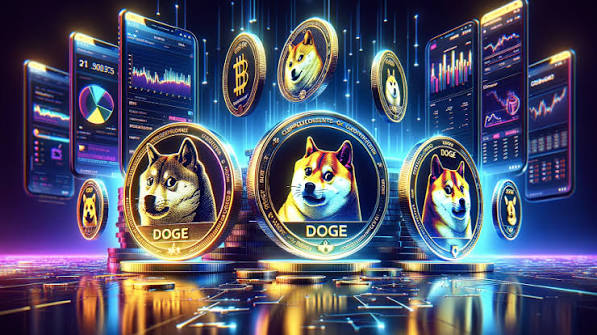
The meme coin phenomenon has transformed from internet jokes into legitimate cryptocurrency projects worth billions. Yet many aspiring creators abandon their ideas when confronted with prohibitive gas fees and technical complexity. The right web3 tools can eliminate these barriers entirely.
Gas fees on networks like Ethereum have historically reached hundreds of dollars per transaction, making small-scale token launches financially impractical. Fortunately, modern web3 development platforms now offer streamlined solutions that reduce both costs and technical overhead. These tools democratize token creation, allowing anyone with a concept to launch a meme coin project without blockchain engineering expertise.
This guide examines five powerful platforms that let you create meme coin projects while keeping gas fees minimal. Each tool brings distinct advantages for different project types and blockchain ecosystems.
Solana-Based Token Creation Platforms
Solana has emerged as the preferred blockchain for meme coin projects due to its sub-cent transaction costs and high throughput. The network processes over 50,000 transactions per second while maintaining fees typically under $0.01, making it economically viable for experimental projects.
Why Solana Dominates Meme Coin Launches
The Solana ecosystem supports rapid deployment cycles essential for meme coin projects that capitalize on trending topics. Unlike Ethereum’s proof-of-work heritage that created congestion bottlenecks, Solana’s proof-of-history consensus mechanism ensures consistent performance even during high-volume launches.
Projects launching on Solana benefit from immediate finality and a vibrant community of traders who actively seek new tokens. The network’s architecture allows creators to mint tokens, establish liquidity pools, and execute thousands of trades for less than the cost of a single Ethereum transaction during peak hours.
No-Code Token Generators with Built-In Smart Contracts
No-code platforms have revolutionized how quickly teams can move from concept to launch. These tools provide pre-audited smart contract templates that eliminate security vulnerabilities common in custom-coded solutions.
Modern token generators offer customizable parameters including total supply, decimal places, mint authority controls, and freeze capabilities. The best platforms walk users through each decision with contextual explanations, ensuring creators understand the implications of their choices.
Security Considerations for Template-Based Tokens
While templates simplify deployment, understanding their security model remains critical. Reputable platforms publish their contract code for community review and often undergo third-party audits. Before launching, verify that your chosen tool allows you to revoke mint authority and that ownership transfer functions work as expected.
Template-based approaches also standardize token structures, making them immediately recognizable to wallets and exchanges. This compatibility accelerates listing processes and reduces integration friction with decentralized exchanges.
Integrated Liquidity Pool Management Solutions
Creating the token represents only half the challenge. Establishing tradeable liquidity determines whether your meme coin gains traction or languishes in obscurity. Advanced web3 tools now integrate liquidity pool creation directly into their workflows.
These platforms connect with automated market makers like Raydium, Orca, and PancakeSwap, allowing creators to seed initial liquidity in minutes. The best solutions calculate optimal token-to-SOL ratios based on your desired initial price and provide clear warnings about impermanent loss risks.
Some tools offer liquidity locking mechanisms that reassure early investors by preventing creators from immediately withdrawing paired assets. This transparency builds trust and can significantly impact initial adoption rates.
Multi-Chain Deployment Platforms
While Solana dominates the low-fee meme coin space, projects targeting specific communities may benefit from multi-chain presence. Certain platforms support simultaneous deployment across Solana, Binance Smart Chain, and Polygon, each offering distinct advantages.
Binance Smart Chain provides access to the massive Binance exchange ecosystem with fees typically ranging from $0.10 to $0.50. Polygon offers Ethereum compatibility with similar cost structures. Strategic creators leverage these sol tools to deploy on multiple networks, capturing audience segments with different blockchain preferences.
Cross-Chain Bridge Integration
Advanced platforms include bridge functionality that allows token holders to move assets between supported chains. This interoperability expands your project’s reach but introduces additional complexity in liquidity management and community coordination.
Consider whether your project genuinely benefits from multi-chain presence or if focused development on a single network better serves your goals. Fragmented liquidity across multiple chains can actually harm trading experience and price stability.
Automated Marketing and Distribution Tools
Launch success increasingly depends on coordinated distribution and visibility. The most sophisticated web3 tools incorporate airdrop management, social media integration, and analytics dashboards into their platforms.
Airdrop functionality allows creators to distribute tokens to targeted wallet addresses, rewarding early supporters or incentivizing specific behaviors. Built-in analytics track holder distribution, transaction volumes, and price movements, providing real-time feedback on campaign effectiveness.
Some platforms integrate directly with Twitter and Telegram APIs, automating announcement posts and community updates. These features reduce manual workload during critical launch windows when timing and momentum determine long-term success.
Frequently Asked Questions
What makes a web3 tool suitable for meme coin creation?
The ideal tool combines low deployment costs, intuitive interfaces requiring no coding knowledge, pre-audited smart contracts, and integrated liquidity pool creation. It should support the blockchain network best suited to your target audience while providing clear documentation and active community support for troubleshooting.
How much do gas fees typically cost on Solana versus Ethereum?
Solana transactions consistently cost less than $0.01, even during network congestion. Ethereum gas fees fluctuate dramatically based on network activity, ranging from $5 during quiet periods to over $100 during high-demand events. This thousand-fold difference makes Solana the practical choice for experimental meme coin projects with limited budgets.
Can I launch a meme coin without technical programming skills?
Absolutely. Modern no-code platforms handle all smart contract deployment, requiring only that you specify token parameters through simple forms. You select total supply, name, symbol, and other characteristics through dropdown menus and text fields. The platform generates and deploys the contract automatically, often completing the entire process in under five minutes.
Should I lock liquidity immediately after launching my meme coin?
Liquidity locking demonstrates commitment to your project and prevents accusations of rug-pulling. Most successful meme coins lock liquidity for at least 30 days, with many choosing six-month or one-year lock periods. This transparency significantly improves community trust and early adoption rates, though it prevents you from adjusting initial liquidity if needed.
What blockchain offers the best balance of low fees and active traders?
Solana currently provides the optimal combination of negligible transaction costs and an enthusiastic meme coin trading community. The network hosts dozens of successful meme coin projects and maintains active decentralized exchanges with deep liquidity. Base and Polygon represent viable alternatives for projects targeting Ethereum-adjacent communities.
How do I determine the right initial token supply for my project?
Token supply should align with your pricing strategy and psychological appeal. Supplies between 100 million and 10 billion tokens work well for most meme coins, allowing prices in accessible ranges like $0.0001 to $0.01. Extremely large supplies (trillions) can feel gimmicky, while small supplies (under 1 million) may limit distribution and trading activity.
Conclusion
The barrier to launching meme coin projects has collapsed thanks to specialized web3 tools that handle technical complexity while keeping costs minimal. Solana-based platforms lead this revolution, offering deployment and trading for fractions of a cent compared to Ethereum’s often prohibitive fees.
Success requires more than just low-cost deployment, however. The most effective tools integrate token creation with liquidity management, security features, and distribution mechanisms that transform technical launches into community movements. By selecting platforms that align with your specific blockchain preference and feature requirements, you position your meme coin project for sustainable growth rather than a brief speculative spike. The democratization of token creation means ideas now matter more than technical expertise or deep pockets.