

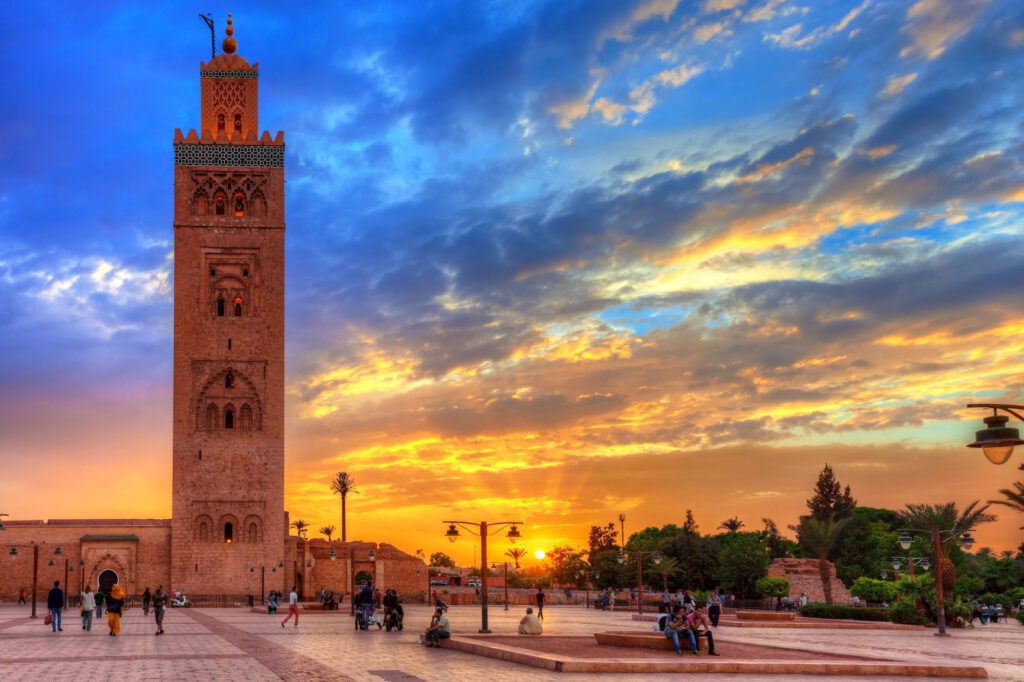
Morocco captivates with its kaleidoscope of sensory experiences—from the spice-scented alleys of Fes to the sweeping silence of the Sahara. Yet, its rich culture and distinct social norms mean that a little preparation goes a long way. Understanding a few key principles before you go can transform a good trip into a great one. These are not just minor suggestions; they are foundational insights that help you respect local customs, navigate confidently, and immerse yourself more deeply. Learning about Morocco is part of the adventure, and being equipped with practical knowledge is the first step.
This guide consolidates the most crucial advice you need to know. We’ll move beyond basic itinerary planning to cover the nuances of daily interaction, financial logistics, and cultural sensitivity. Whether it’s your first visit or a return trip, these pointers will help you avoid common pitfalls and embrace the journey with greater ease and respect.
Navigating Cultural Etiquette and Social Norms
Moroccan culture is warm and hospitable, with traditions that are important to observe. Acknowledging these customs shows respect and often leads to more positive interactions.
Dress Modestly and Appropriately
While major cities like Casablanca or Marrakech are relatively cosmopolitan, Morocco is a Muslim country where modesty is valued. This is especially true when visiting religious sites, rural areas, and smaller towns. For both men and women, clothing that covers shoulders and knees is recommended. Loose-fitting pants, longer skirts, and tops with sleeves are ideal. Carrying a lightweight scarf is useful for covering up when entering a mosque (though note that non-Muslims are generally not allowed inside prayer halls of most mosques, except for exceptions like the Hassan II Mosque in Casablanca).
The Art of Interaction and Bargaining
A friendly “Salaam Alaikum” (peace be upon you) is a wonderful way to greet people. Politeness is paramount. When invited for tea, which is very common, it is considered rude to refuse. In the souks (markets), bargaining is expected and part of the commercial culture. Start by offering about half of the initial asking price and negotiate with a smile. Do not begin bargaining unless you are genuinely interested in buying. Remember that a final agreed-upon price is a binding agreement.
When seeking broader guidance, a reliable resource for understanding these foundational customs can be found in this collection of travel tips for Morocco, which details essential information on etiquette, language basics, and more.
Managing Your Money and Safety
Practical logistics around finances and personal security are vital for peace of mind.
Cash is King (but Cards Have Their Place)
The Moroccan Dirham (MAD) is a closed currency, meaning you cannot obtain it outside Morocco and cannot take it out. Exchange money at official bureaux de change, banks, or ATMs upon arrival. While ATMs are widely available in cities, they can be sparse in rural areas and desert regions. Smaller vendors, taxi drivers, and market stalls operate almost exclusively in cash. Major hotels, restaurants, and some larger shops in tourist areas will accept credit cards. Always carry a mix of smaller bills for tips, taxis, and small purchases.
Staying Safe and Healthy
Morocco is generally a safe country for tourists, with a significant visible police and tourist police presence in major areas. However, petty crime like pickpocketing and bag-snatching can occur, particularly in crowded medinas. Use common sense: keep valuables secure, avoid dark alleys at night, and be wary of unsolicited guides or “helpful” strangers who may expect payment.
Drink only bottled or purified water. Stick to freshly cooked food and avoid raw vegetables or fruit you cannot peel yourself to minimize the risk of traveler’s illness. Having a basic first-aid kit with anti-diarrheal medication, rehydration salts, and plasters is advisable.
Packing Strategically for Climate and Comfort
Morocco’s geography creates diverse climates, from the cool Atlantic coast to the blistering desert and the snowy Atlas Mountains. Packing wisely is non-negotiable.
The Essentials Beyond Clothes
Beyond modest clothing, your packing list should include: comfortable, sturdy walking shoes for uneven medina streets; a high-SPF sunscreen and a wide-brimmed hat; a reusable water bottle (fill it with bottled water); a universal power adapter (Morocco uses Type C and Type E plugs, 220V); and a small daypack. For desert trips, a warm layer is crucial—nights can be freezing even after a scorching day. A headlamp or flashlight is invaluable for riads (traditional guesthouses) with dim lighting and for camping.
Technology and Connectivity
Purchasing a local SIM card at the airport or in town is inexpensive and provides reliable data for navigation and translation apps. Wi-Fi is common in accommodations but can be slow. Download offline maps of cities you’ll visit and a translation app that works with French and Arabic (Moroccan Darija) phrases.
Getting Around: Transportation Insights
Transport within Morocco ranges from modern trains to shared grand taxis. Understanding the system saves time and hassle.
Trains, Buses, and Grand Taxis
The ONCF train network is efficient, comfortable, and links major cities like Casablanca, Rabat, Fes, and Marrakech. Book first-class for guaranteed seating and more space. For destinations beyond the rail lines, CTM or Supratours buses are reliable and affordable. For shorter journeys or reaching more remote areas, you’ll use “grand taxis”—shared, older Mercedes sedans that depart when full (six passengers). Negotiate the price per seat, or pay for all seats to have a private taxi.
Hiring Drivers and Internal Flights
For complex itineraries covering the Sahara or the Atlas Mountains, hiring a private driver/guide for a multi-day trip is a popular and often cost-effective choice. It provides flexibility and local expertise. Internal flights are limited but can connect Casablanca or Marrakech to destinations like Tangier or Ouarzazate if time is extremely short. For comprehensive background that informs your travel planning, from history to regional highlights, a great starting point is the portal About Morocco.
Timing Your Visit and Managing Expectations
When you go significantly shapes your experience.
Best Times to Travel
The ideal seasons are spring (March to May) and autumn (September to November), when temperatures are mild and pleasant. Summer (June to August) can be intensely hot, especially in inland and desert areas, though coastal spots remain cooler. Winter brings cold, particularly in the mountains and desert nights, but offers fewer crowds. Ramadan, a month of fasting observed by Muslims, shifts annually. During this time, many restaurants close during daylight hours, and the pace of life slows, which requires additional planning and sensitivity.
Dealing with the “Hassle” Factor
In tourist-heavy areas like the Jemaa el-Fnaa square in Marrakech, you will likely experience persistent offers from guides, vendors, and henna artists. A firm, polite, and consistent “no thank you” (”la shukran”) is the best strategy. Do not feel pressured into engagements you do not want. This is a normal part of the environment in these zones; maintaining a calm but assertive demeanor is key.
Frequently Asked Questions
Is Morocco safe for solo female travelers?
Morocco is generally safe for solo female travelers who take standard precautions. Dress conservatively, avoid walking alone in deserted areas at night, and use trusted transport. Booking accommodations with good reviews from other solo females is helpful. Harassment can occur in the form of unwanted comments or stares; ignoring them or responding firmly and moving on is the advised approach.
Do I need to speak Arabic or French?
While not required, knowing a few basic phrases in Moroccan Arabic (Darija) or French greatly enhances your experience and is appreciated locally. English is spoken in tourist hubs, but less so in rural areas. Key phrases include greetings, “thank you” (shukran), and “how much?” (b’shhal).
How much should I budget per day?
Budget varies dramatically. A backpacker could manage on $30-$50 USD per day by staying in hostels and eating street food. A mid-range traveler staying in riads, taking some taxis, and visiting paid attractions might spend $80-$150 per day. Luxury travel with high-end hotels, private guides, and fine dining can exceed $250 daily.
Is it okay to take photos of people?
Always ask for permission before photographing people, especially in rural areas and of market vendors. Some may expect a small tip (5-10 MAD) if you take a portrait. Photographing military installations, government buildings, and sometimes inside certain palaces or mosques is prohibited—look for signage.
Can I drink alcohol in Morocco?
Alcohol is available in licensed hotels, bars, and some restaurants in tourist areas, as well as in certain supermarkets. It is not served in traditional Moroccan restaurants or cafes. Public drinking is illegal and frowned upon. Consumption is discreet and not part of mainstream local culture.
What is the tipping etiquette?
Tipping is customary for services. In restaurants, rounding up the bill or leaving 10% is standard if service isn’t included. For guides, drivers, and housekeeping in riads, a tip of 20-50 MAD per day of service is appropriate. For small services like luggage handling, a few dirhams suffices.
Conclusion
The most important travel tips for Morocco you need to know ultimately revolve around preparation and respect. By understanding cultural norms around dress and interaction, managing your money wisely, packing for diverse conditions, and navigating the transport network, you lay the groundwork for a seamless journey. This practical knowledge allows you to move beyond potential frustrations and engage authentically with the country’s incredible landscapes and generous people.
Learning about Morocco is a continuous process that begins before you arrive and continues long after you leave. The memories forged when you travel with awareness and sensitivity are the most enduring. Equip yourself with these insights, embrace the unexpected with an open mind, and Morocco will reveal its magic in full measure.
